


INDICATIONS:
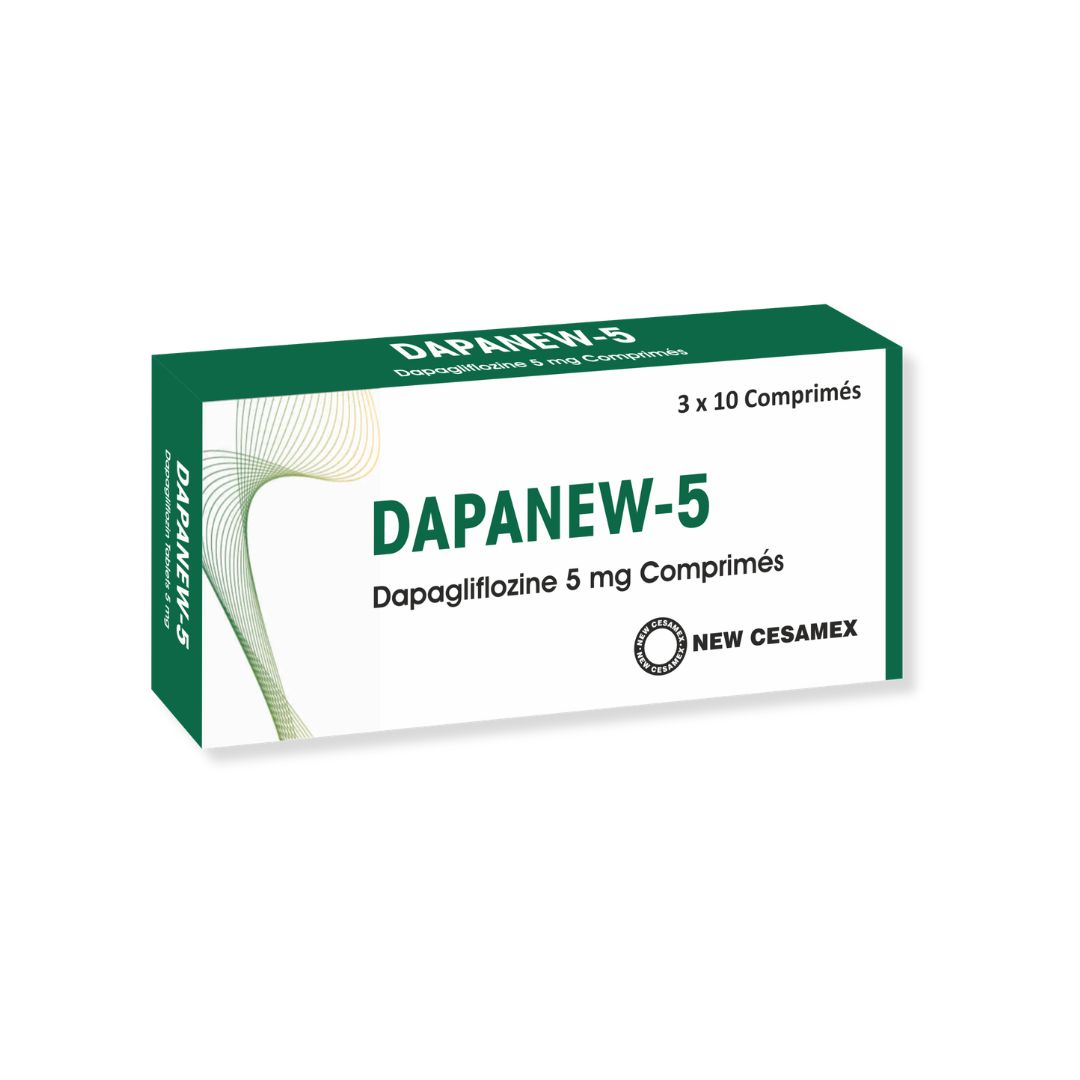
- In patients with type 2 diabetes.
- It is used as an adjunct to diet and exercise in the following ways:
- As monotherapy, in patients whose glucose levels are not satisfactorily controlled by diet and exercise and for whom metformin is unsuitable
- In combination with metformin or a PPAR-gamma agonist (a type of antidiabetic medicine), such as a thiazolidinedione, in patients whose glucose levels are not satisfactorily controlled by metformin or the PPAR-gamma agonist alone
- In combination with a sulfonylurea (another type of antidiabetic medicine), in patients whose glucose levels are not satisfactorily controlled by a sulfonylurea alone and for whom metformin is unsuitable
- In combination with both metformin and a sulfonylurea or a PPAR-gamma agonist, in patients whose glucose levels are not satisfactorily controlled by the two medicines
- In combination with insulin, with or without metformin, in patients whose glucose levels are not satisfactorily controlled by a stable dose of insulin
DOSAGE:
Adults: GLYXIA is taken at a dose of 100 mg once daily.
The GLYXIA dose must be reduced in patients with moderately or severely impaired renal function.
Mild renal impairment: no dose adjustment
Moderate renal impairment: 50 mg/day
Severe renal impairment: 25 mg/day
BENEFITS:
No risk of hypoglycemia;
Weight neutrality;
Greater durability of the anti-hyperglycemic effect;
Efficacy and safety in patients with type 2 diabetes and renal impairment;
Effective as monotherapy and in combination with other anti-hyperglycemic agents;
Effects similar to GLP-1s with fewer side effects;
Once-daily oral administration;
Good tolerability;
Good treatment adherence;
Reviews
There are no reviews yet.